Underground Plumbing Installation San Diego, CA: A Guide to Below-Ground Plumbing Systems

Underground plumbing is a part of most homes and businesses. Pipes buried under the ground carry water in and take wastewater and sewage out. Since these pipes are covered up after they’re put in they need to be planned and installed right the time.
If you have your own property, you may need Underground Plumbing Installation San Diego, CA. This includes plumbing during new construction, remodels, home additions, ADU projects or when replacing old pipes. Knowing what to expect can help you get your property ready.
What Is Underground Plumbing Installation?
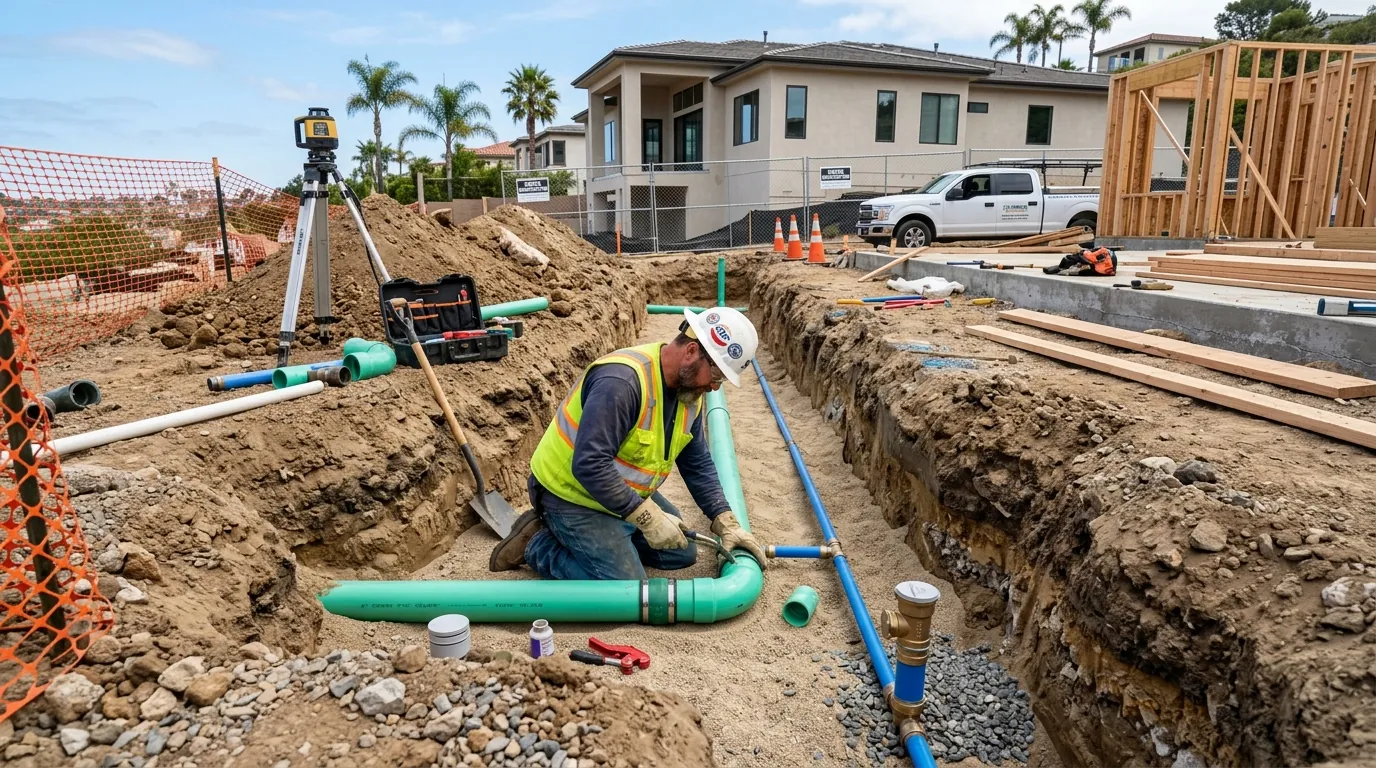
Underground plumbing installation means putting water, drainage, waste and sewer pipes below ground. These pipes can run under a house through your yard or from your property to the city’s lines.
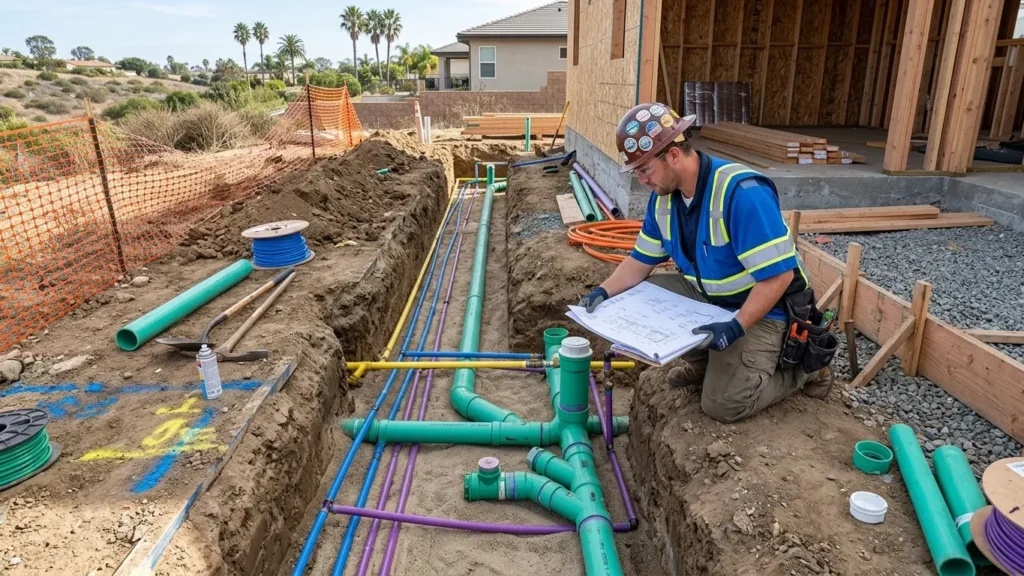
These below-ground pipes support the plumbing system. Water lines bring water to your home. Drain and sewer pipes carry wastewater away. Since you can’t easily check or fix them after the ground is filled back in, you need to plan their location, depth, slope, connections and protection before work starts.
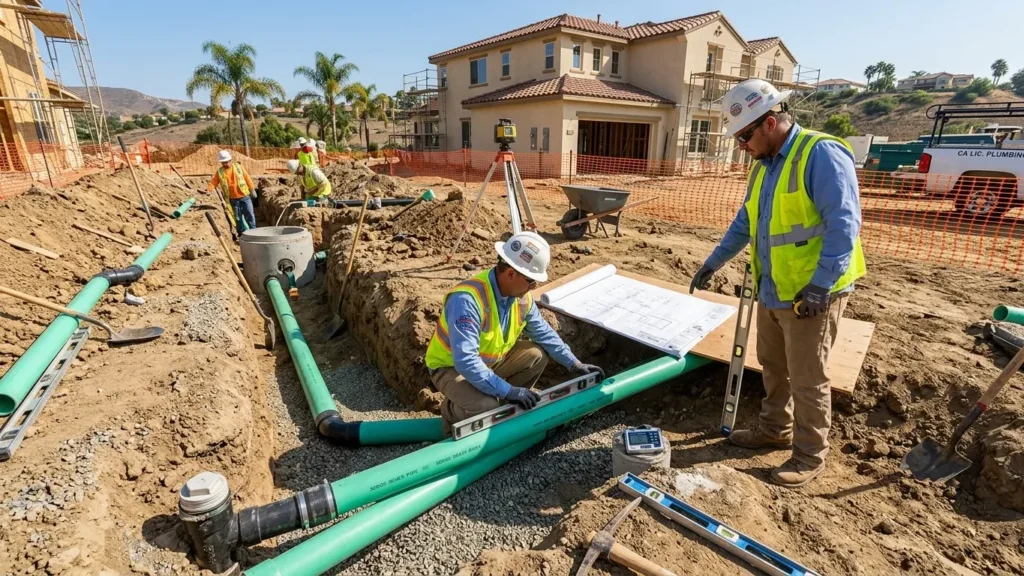
What Does Underground Plumbing Installation Include?
The work can include different parts depending on your property and project.
- Underground water lines
- Sewer lines
- Drain and waste piping
- Building sewer connections
- Underground pipe fittings
- Cleanouts
- Connections to above-ground plumbing systems
Exactly what’s done depends on whether you’re building a home working on an existing plumbing system connecting to a sewer line or replacing old underground pipes.
Choosing the Right Pipes for Underground Plumbing
Choosing the pipe depends on what underground plumbing will do and the conditions of the project. Water supply lines need pipes more than drainage or sewer lines.
A contractor may look at soil conditions, water pressure, drainage needs, pipe size, how much water will flow, where the pipe will be installed, local rules and the overall building design.
Using the pipe and fittings that fit together can help make underground plumbing reliable. The correct materials must also be. Installed according to the plumbing rules.
Why Pipe Depth, Slope and Placement Matter
Underground plumbing needs more than just the right pipe material. Where underground plumbing sits in the ground can directly affect how the system works.
Drain and sewer pipes usually need the slope so wastewater can move easily. Water lines also need a spot and protection that match the project conditions.
A proper depth and position can protect plumbing from damage and keep the connections easy to reach. Careful installation can also lower the chance of drainage problems, leaks or clashes with other underground systems.
Underground Plumbing for New Construction
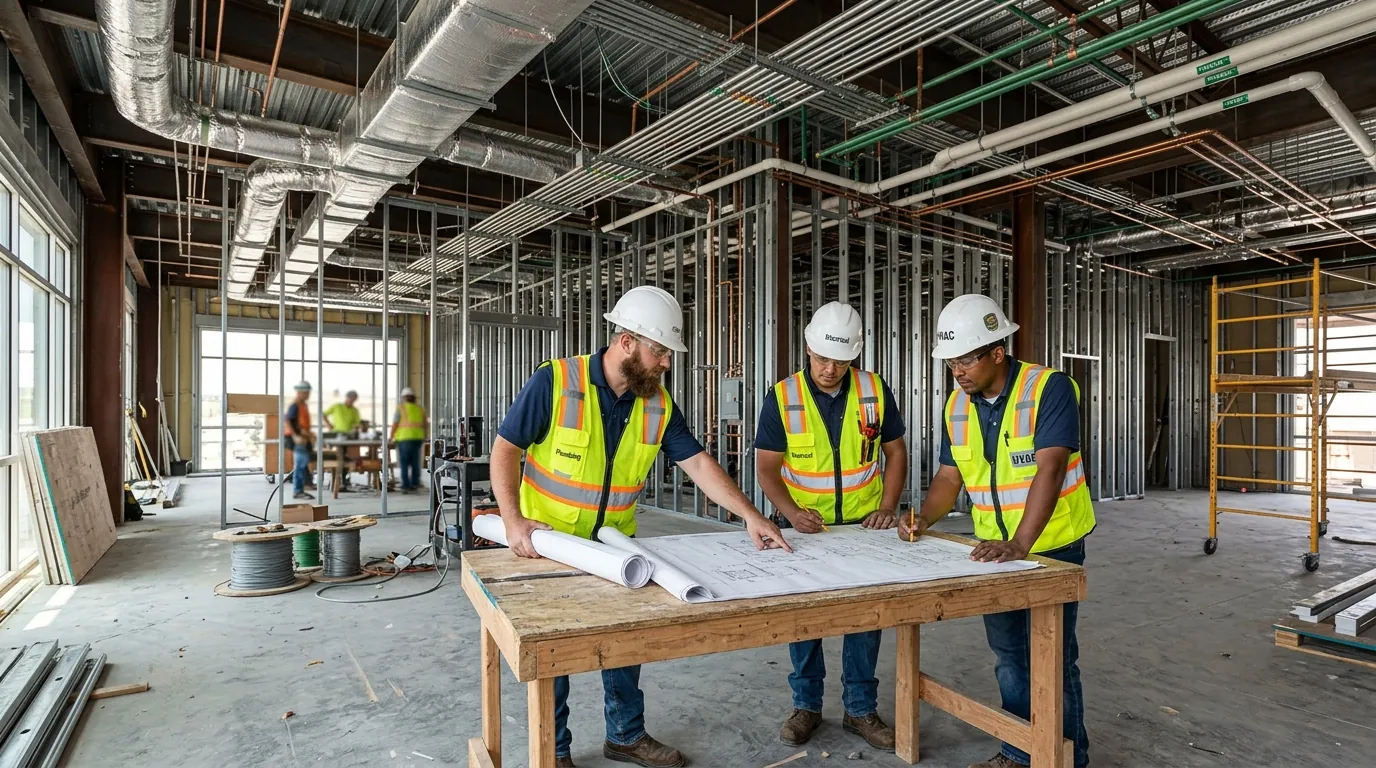
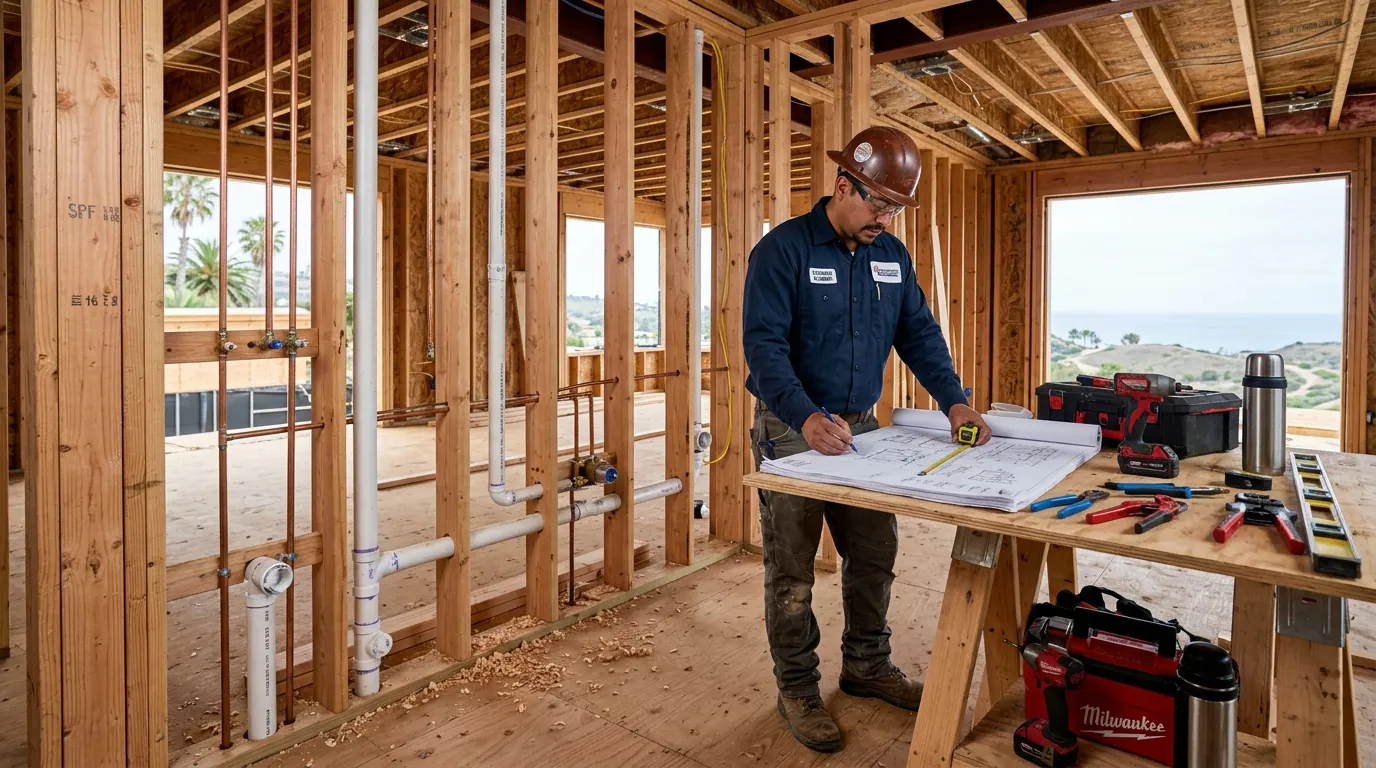
Construction gives a chance to plan underground plumbing before the building finishes. Pipe routes can be matched with the foundation, floor plan, bathrooms, kitchens, utility rooms and other fixtures.
Underground piping is usually put in early in construction because later work may cover the pipes with concrete, flooring, landscaping or other materials. Coordination between the plumbing contractor, builder, excavation crew and other trades keeps the project organized.
Common Underground Plumbing Problems to Avoid
Underground Plumbing Installation San Diego, CA can make problems that are hard and costly to fix after the ground is back.
- Incorrect pipe slope
- Poor connections
- Pipe placement
- Inadequate support
- Damage during backfilling
- Poor drainage planning
- Conflicts with existing utilities
Careful preparation and check before backfilling can spot problems while underground plumbing is still reachable.
Permits and Inspections for Underground Plumbing in San Diego
Underground plumbing projects may need permits plumbing rules, utility rules and checks depending on the property and the work size. Before starting property owners should verify which permits and checks apply. Working with a plumbing contractor who knows the San Diego area rules can keep the project organized and cut delays from missing approvals or bad work.
How to Prepare a Property for Underground Plumbing Work
Property owners can make underground plumbing projects easier by preparing the site and working with the plumbing crew.
- Give employees and equipment access to the site.
- Confirm that underground utilities are properly identified.
- Have construction and plumbing plans available.
- Keep planned excavation areas accessible.
- Provide information about existing plumbing.
- Coordinate schedules with contractors working on the property.
Removing extra obstacles from the work area can also help the contractor finish excavation and installation faster.
Choosing an Underground Plumbing Contractor in San Diego CA
Underground plumbing needs planning and experience because mistakes can be hard to fix once the work is covered. When choosing a contractor consider:
- Relevant underground plumbing experience
- Licensing where required
- Knowledge of local codes
- Detailed project planning
- Inspection coordination
- Clear communication
- Straightforward estimates
A qualified contractor of underground plumbing installation San Diego, CA should explain the planned pipe routes, materials, expected work stages and any site conditions that may affect the project.
Underground Plumbing Installation in San Diego, CA
If your San Diego property needs underground water, drainage or sewer pipe Everyday Plumbing INC can help with the planning and installation process. Underground plumbing needs attention to pipe placement, connections, drainage, testing and coordination with other construction work.
Whether you are building a property, adding an ADU, renovating an existing building or replacing old underground pipe, professional installation can help make a dependable plumbing foundation. Contact Everyday Plumbing INC to talk about your plumbing project and request an estimate, for the work your property needs.
FAQs
How deep are underground plumbing pipes installed?
There is not one depth that fits every plumbing project. The depth needed depends on the pipe type, the location, the design of the project, local rules, the soil and other site details. A plumbing professional can decide the depth for your underground plumbing project.
What kind of pipe is used for plumbing?
The right pipe for plumbing depends on whether the system carries drinking water, wastewater or sewage. The material choice can also depend on pressure, soil, pipe size, local rules and the design of the plumbing system.
Does underground plumbing require an inspection?
Some underground plumbing projects need an inspection before the pipe is covered. The needs depend on the project and local regulations. Your contractor can tell you which inspections the underground plumbing project needs.
How long does underground plumbing installation take?
The time for plumbing installation changes with the size of the project, the digging needed, the length of pipe the site, permits, inspections and how it connects to existing systems. A small replacement might finish quickly while new underground plumbing in a building takes longer.
Can underground plumbing be replaced without rebuilding the plumbing system?
Often only the damaged underground plumbing part needs to be replaced. But how much replacement is needed depends on the pipe condition, its location, its connections and the whole plumbing layout. A professional inspection can show the repair or replacement plan for your underground plumbing.